Dynetic Motor
Sourcing other gear motors can be a daunting task. Many factors come into play when selecting the right one for your needs. Understanding these factors can lead you to make informed choices.
Experience in the field is vital. Different applications require different specifications. Take a moment to evaluate your specific requirements. This includes torque levels, speed ranges, and dimensions. Additionally, reliable sources of suppliers are essential. Not all manufacturers provide the same quality or performance. Look for reputable manufacturers with proven track records.
Reflecting on your needs can also uncover overlooked details. Are you prioritizing cost over quality? This mindset may lead to future issues. Take the time to research and weigh your options. The right other gear motor can significantly affect your project's success. Pay attention to specific details that can have lasting impacts.
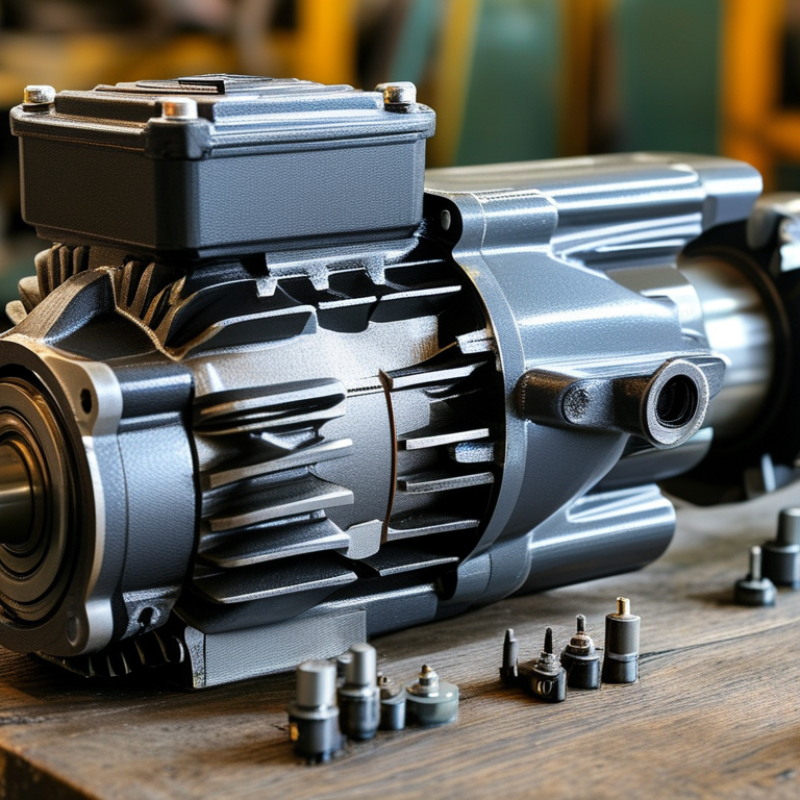
Understanding gear motors is essential for efficient sourcing. They come in various types, each serving specific applications. For instance, DC gear motors are common in robotics. They provide high torque at low speeds. AC gear motors often find their use in industrial settings. These motors are robust and suited for continuous operations.
When sourcing, consider the specific requirements of your project. Assess the power needs and speed settings. It’s crucial to match these with the gear motor’s specifications. Always review the torque curves. They provide insights into performance under different loads. This understanding will guide you in making informed decisions.
Selecting the right gear motor requires careful evaluation. Research and understand the various types available. Getting feedback from users can highlight any potential issues. Don’t rush into purchasing without thorough analysis. Take the time to compare products and vendors effectively. This can make a significant difference in achieving your project goals.
Choosing the right gear motor supplier is crucial. Reliable suppliers significantly impact your project's success. They should demonstrate a solid track record. Look for companies with years of experience in the industry. A strong reputation often indicates reliability. Online reviews can provide insights into their service quality.
Assess their technical expertise. Suppliers should have knowledgeable staff who can answer your questions. They should also provide clear specifications for their gear motors. It’s essential to understand their manufacturing processes. Transparency in these areas builds trust. Ask for case studies or references to see past work.
Evaluate their support services. Post-purchase assistance can be vital. How responsive are they to inquiries? Timely support can prevent project delays. It’s also essential to review warranty and return policies. A hesitant supplier might indicate potential problems down the line. Engage in discussions to gauge their commitment to customer satisfaction. This approach ensures you partner with a dependable supplier.
When evaluating gear motor specifications and performance, clarity is essential. Begin by analyzing the torque requirements. Understanding the load and the desired speed is crucial for optimal selection. A common pitfall is underestimating the torque needed, leading to equipment failure. Manufacturers often provide torque curves; take the time to study these before deciding.
Efficiency can vary widely among gear motors. Look for efficiency ratings provided by the manufacturer. A higher efficiency rating usually means reduced energy consumption. However, these ratings can sometimes be misleading. Always compare similar tests and ensure they suit your application. Inconsistencies can arise from different testing environments.
Durability is another key factor. Examine the materials used in manufacturing. Heavy-duty applications may need gear motors that can withstand extreme conditions. Avoid relying solely on marketing claims. Request detailed specifications and past performance data. This gives insight into reliability. All these details help build a clearer picture, making your sourcing process more effective.
| Specification Dimension | Value | Performance Metric |
|---|---|---|
| Rated Voltage (V) | 24 | Efficiency (%) |
| Rated Power (W) | 150 | Load Capacity (kg) |
| Gear Ratio | 10:1 | Speed (RPM) |
| Torque (Nm) | 15 | Temperature Range (°C) |
| Weight (kg) | 5 | Noise Level (dB) |
Negotiating pricing and terms with gear motor vendors can be challenging. Start by gathering comprehensive market data. Research prices and terms from multiple suppliers. This information will empower you during negotiations. Know the average costs, lead times, and warranty options for gear motors. Vendors appreciate informed buyers who understand the market landscape.
When discussing pricing, approach the conversation with flexibility. Offer counterproposals based on your research. It’s crucial to express your budget constraints clearly. Time can also play a crucial role in negotiations. If you can wait for a better deal, communicate this. Vendors may lower prices if they know they are not your only option.
Establishing a relationship with your vendor is essential. Good relationships can lead to better terms over time. Share your purchasing volume forecasts. Vendors often appreciate long-term commitments. However, it’s vital to reflect on your past experiences. Have you been too focused on price alone? Realigning your priorities can yield better results. Aim for a balance between quality and cost. This approach fosters reliability in partnerships with vendors.
When sourcing gear motors, quality control and testing are vital. Start by assessing the manufacturing process. A well-documented procedure enhances reliability. Look for companies that prioritize precision in their machining and assembly. Basic quality checks should be performed before motors leave the factory. Gathering data on these practices offers insights into their reliability.
Testing is another significant aspect. Perform load tests to evaluate performance under real-world conditions. This ensures the motor can handle the expected loads. Noise and vibration checks can reveal hidden issues. These tests often highlight flaws that visual inspections miss.
Consider the importance of certifications. Valid certifications indicate adherence to industry standards. They provide reassurance about quality. Reflect on the need for a robust quality assurance plan. It can be beneficial to regularly review your suppliers' practices. Engage with manufacturers to understand their commitment to maintaining high standards.
: Gear motors serve various applications. For example, DC gear motors are used in robotics for high torque at low speeds.
Assess your project's power and speed needs. Review the gear motor’s specifications carefully before making a decision.
Torque curves show performance under different loads. They help in selecting the right gear motor for specific applications.
Look for experience and a solid track record. Online reviews can provide insights into their reliability and service quality.
Check if the staff can answer questions clearly. Transparency in specifications and manufacturing processes is crucial.
Timely support can prevent project delays. Review warranty and return policies to ensure you’re covered after the purchase.
Gather market data on prices and terms. Be flexible and express your budget constraints to reach a fair agreement.
Yes, good relationships can lead to better terms over time. Consider your past experiences to improve future negotiations.
Don’t rush into purchases. Take time to compare products and reflect on your priorities beyond just cost.
Research thoroughly and engage in user feedback. This approach can help identify potential issues before finalizing your choice.
When sourcing Other Gear Motors effectively, it is crucial to begin with a clear understanding of the various types and applications of gear motors available in the market. This knowledge aids in identifying the most suitable options for specific projects. A pivotal aspect of the sourcing process involves identifying reliable suppliers who can provide quality products. Researching supplier credentials and reviews can enhance confidence in procurement decisions.
Additionally, evaluating the specifications and performance capabilities of gear motors is essential to ensure they meet operational requirements. It is also important to engage in negotiations regarding pricing and terms to secure the best deal. Lastly, implementing quality control measures and conducting thorough testing of the gear motors before full-scale application will guarantee reliability and functionality in their intended environments. By following these tips, sourcing Other Gear Motors can be done effectively, resulting in successful project outcomes.
