The demand for High Torque Gear Motors has surged in various industries, driven by their efficiency and reliability. According to recent market research, the global gear motor market is projected to grow at a compound annual growth rate (CAGR) of 5.2% from 2021 to 2028. This growth is largely attributed to advancements in automation and industrial processes.
High Torque Gear Motors are essential in applications requiring high levels of force and precise control. Industries such as manufacturing, automotive, and robotics increasingly rely on these specialized motors. However, with this rising demand comes the challenge of selecting the right supplier. Not all gear motors are created equal, and understanding the nuances is critical. Buyers must assess parameters like torque ratings and gear ratios, not just price.
While many global suppliers offer High Torque Gear Motors, the quality and performance can vary significantly. It is tempting to go for the lowest cost option, but this can lead to long-term inefficiencies. Companies should prioritize sourcing from reputable suppliers with proven track records, as reliability is key to operational success.
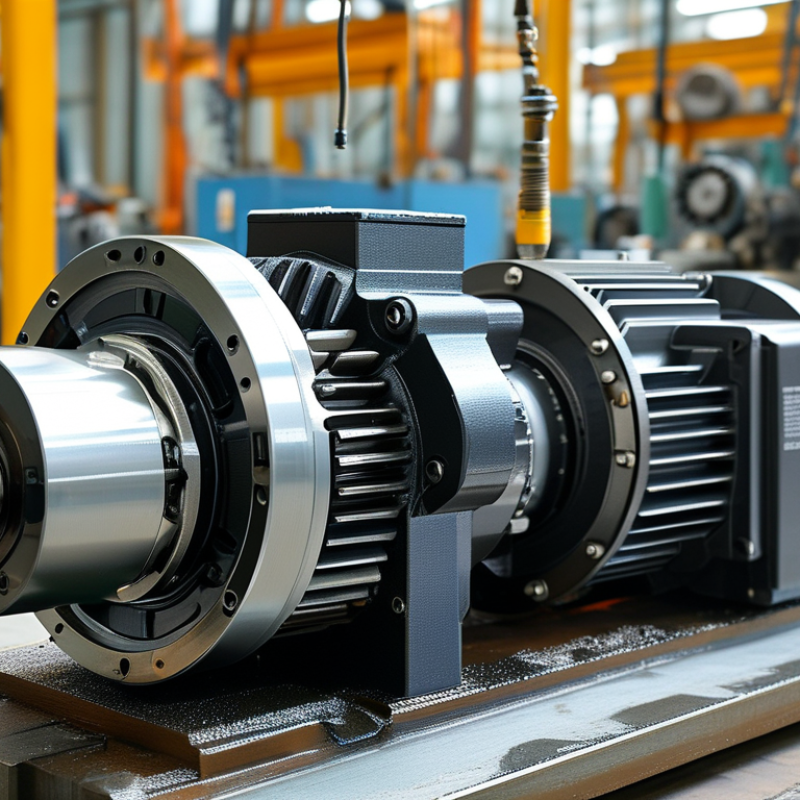
Understanding High Torque Gear Motors and Their Applications
High torque gear motors are critical in various industrial applications. These motors provide high torque in a compact form, making them suitable for tasks that require significant force in limited spaces. According to a report by Research and Markets, the global market for gear motors is expected to grow at a CAGR of around 6.3% from 2021 to 2026. This surge indicates a rising demand for efficient power transmission solutions.
Industries such as automotive, robotics, and material handling heavily rely on high torque gear motors. For instance, in robotics, these motors enable precise movements and control, essential for automation. The ability to manage high loads while maintaining efficiency is crucial. However, selecting the right gear motor involves challenges. A mismatch in torque specifications can lead to equipment failure or inefficiencies. Understanding the specific torque requirements and operational environment is vital for optimal performance.
Despite the benefits, there are considerations to keep in mind. Not all gear motors are created equal, and varying quality can affect reliability. Some models may perform below expectations, which can lead to increased operational costs. Evaluating the manufacturer’s reputation and product reviews is essential. A comprehensive approach is necessary when investing in gear motors to ensure long-term success.
Key Specifications to Consider When Buying High Torque Gear Motors
When purchasing high torque gear motors, key specifications can significantly impact performance. One essential factor is the torque output. It determines how much force the motor can exert at a given speed. According to a report by MarketsandMarkets, the global market for gear motors is expected to grow at a CAGR of 6.2% from 2022 to 2027. This growth highlights the increasing demand for motors that can handle heavier loads efficiently.
Another critical specification is the speed rating. This defines how fast the motor can operate while maintaining its torque output. Many industries require motors that can deliver high torque at low speeds. This specification is vital for applications in robotics and automation, where precision and reliability are paramount. Additionally, efficiency ratings are important. A motor that operates efficiently can lead to reduced energy costs and longer operational lifespans.
It’s essential to consider the mounting options as well. Different applications may require specific configurations. Some suppliers may not provide clear information about adaptability to various systems. Furthermore, manufacturers have differing standards for measurements. Always confirm these details before purchasing. Inconsistent quality can also be a concern. Researching multiple suppliers can help mitigate risks associated with poor performance. Ultimately, understanding these specifications will lead to better choices in your application.
Comparing Various High Torque Gear Motor Suppliers Globally
When exploring high torque gear motor suppliers worldwide, it’s crucial to compare their offerings meticulously. A report from Research and Markets indicates that the global gear motor market is expected to reach $16 billion by 2025. This growth is fueled largely by advancements in automation. As such, understanding supplier capabilities can be a game-changer for businesses.
Many suppliers offer a range of torque specifications and motor types. However, not all deliver consistent performance. Key factors to consider include materials used and quality of manufacturing processes. Gear ratio and efficiency ratings also play a vital role in overall performance. Taking the time to evaluate these elements can lead to better purchasing decisions.
Tips: Always request data sheets for torque performance. Engaging in discussions with suppliers can reveal gaps in their offerings. It's essential to probe deeper than surface-level claims. A supplier's reputation can be misleading; consider third-party reviews for more reliability. Don't hesitate to reach out to end-users for their insights on specific suppliers as well.
High Torque Gear Motor Buying Guide for Global Suppliers
| Supplier Region |
Motor Type |
Torque Rating (Nm) |
Voltage (V) |
Efficiency (%) |
Lead Time (weeks) |
Price Range (USD) |
| Asia |
DC Gear Motor |
50 |
24 |
85 |
3 |
100 - 150 |
| Europe |
AC Gear Motor |
75 |
230 |
90 |
4 |
200 - 300 |
| North America |
Stepper Motor |
40 |
12 |
75 |
2 |
80 - 120 |
| South America |
Brushless Motor |
60 |
48 |
88 |
5 |
150 - 250 |
| Africa |
Geared AC Motor |
70 |
380 |
92 |
6 |
300 - 400 |
Evaluating Cost vs. Quality in High Torque Gear Motors
When selecting high torque gear motors, balancing cost and quality is crucial. Many suppliers offer motors at various price points, but lower prices can sometimes indicate lower quality. Consider the materials used in the construction. High-grade steel tends to enhance durability and performance.
Evaluating the motor’s specifications is vital. Look at torque ratings, efficiency, and load capacity. These factors directly impact how well a motor performs in your application. A motor may be inexpensive, but if it can't handle the required load, it may lead to costly downtimes.
Additionally, it's essential to consider the manufacturer’s reputation. Some companies may offer attractive prices but lack after-sales support. A reliable supplier should provide adequate warranty terms and support for maintenance. Failing to assess these details could result in poor investment choices. Investing time in research can save money in the long run.
Tips for Long-Term Maintenance of High Torque Gear Motors
High torque gear motors are crucial in various industries. Their longevity and efficiency heavily rely on proper maintenance practices. According to industry reports, about 30% of motor failures result from inadequate maintenance. Regular inspections and timely repairs can significantly extend the service life of these motors.
To ensure optimal performance, operators should frequently check for signs of wear. This includes examining the gear teeth for cracks or chips. Lubrication is another vital aspect. The right lubricant can reduce friction and heat, enhancing efficiency. Insufficient lubrication can lead to overheating, ultimately causing motor failure. It’s recommended to follow the manufacturer’s specifications for lubrication intervals.
Moreover, vibrations can signal underlying issues. Regular vibration analysis helps detect problems early on. A study on maintenance practices indicates that predictive maintenance strategies can reduce downtime by up to 25%. This proactive approach allows for addressing potential failures before they escalate. Investing time in these maintenance tasks can deliver significant long-term benefits.
High Torque Gear Motor Performance Comparison
This chart displays the maximum torque output of various types of high torque gear motors. It provides a comparison to help global suppliers make informed purchasing decisions while considering long-term maintenance and performance needs.
Conclusion
The "High Torque Gear Motor Buying Guide for Global Suppliers" delves into essential aspects of high torque gear motors, highlighting their various applications across industries. It emphasizes the importance of understanding key specifications such as torque ratings, gear ratios, and motor efficiency when selecting the right high torque gear motor for specific needs.
Additionally, the guide compares different suppliers around the world, offering insights into their offerings and performance, while weighing the balance between cost and quality. To ensure longevity and efficiency, it also provides practical tips for the long-term maintenance of high torque gear motors, which is crucial for optimal performance and reliability in demanding applications.
 Dynetic Motor
